
Simple Lawn Repair Plans for Patchy Buffalo Yards
Fixing Patchy Buffalo Lawns the Simple Way Patchy grass, muddy spots, and bare strips along the driveway are common sights in Buffalo yards after long winters and wet springs. Lake-effect snow, salt, and months of freeze-thaw cycles are tough on turf, especially when you add in heavy foot traffic and plows pushing snow. It is…
June 3, 2026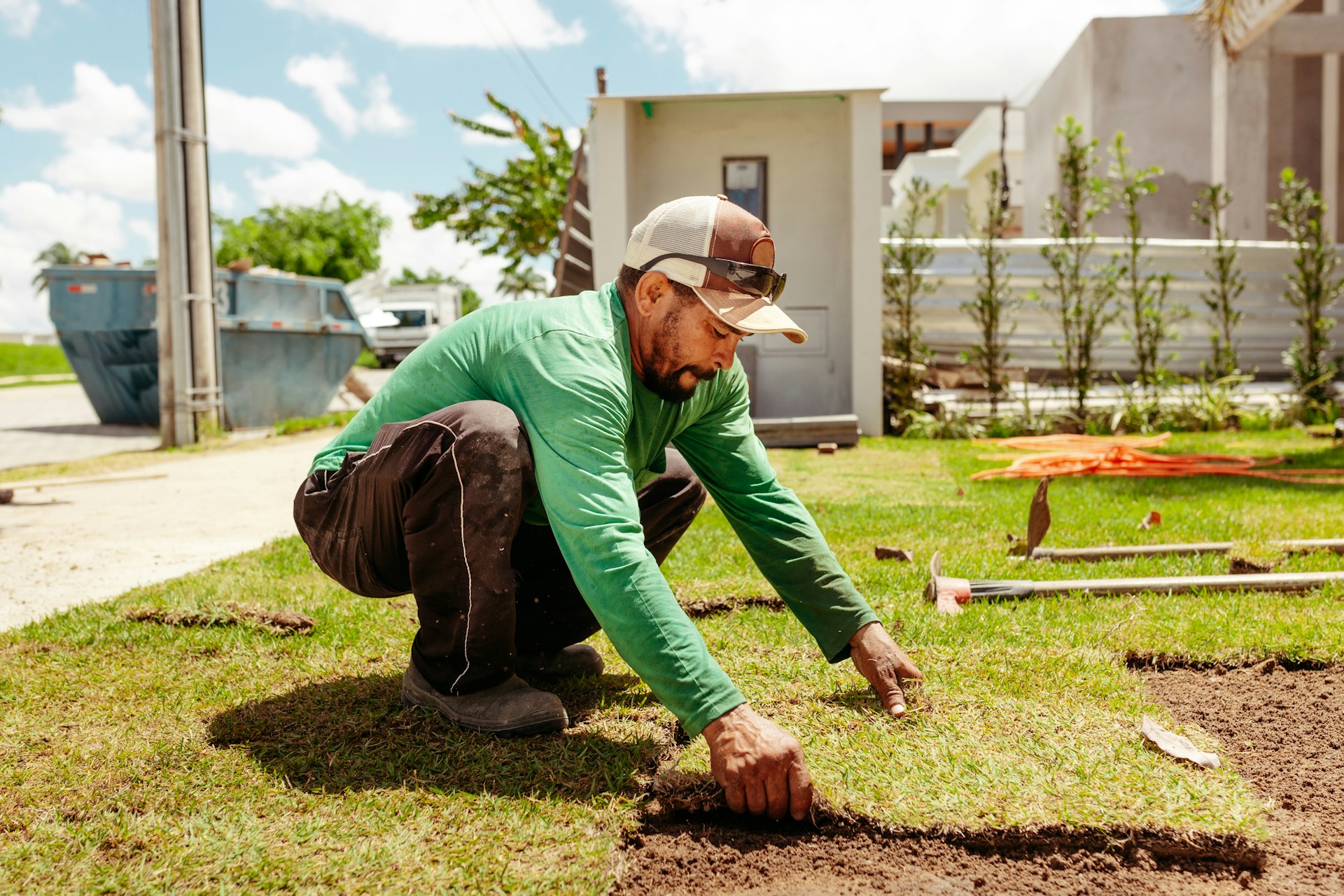
Fixing Patchy Buffalo Lawns the Simple Way
Patchy grass, muddy spots, and bare strips along the driveway are common sights in Buffalo yards after long winters and wet springs. Lake-effect snow, salt, and months of freeze-thaw cycles are tough on turf, especially when you add in heavy foot traffic and plows pushing snow. It is no surprise many Western New York lawns come out of winter thin and uneven.
In this article, we are focusing on simple, realistic lawn repair plans that fit our local climate here. Whether you care for a small city yard or a busy commercial property, you will see how to fix problem patches, when it makes sense to think about full lawn installation in Buffalo, NY, and how to keep new grass thick without turning it into a full-time job.
Why Buffalo Yards End up Patchy and Thin
Our weather puts grass under stress for much of the year. Winter is hard on turf along driveways, sidewalks, and parking lots where salt and plows scrape and burn the grass. Snow piles sit in the same spots for weeks, and when they finally melt, they often leave bare soil and dead strips behind.
Freeze-thaw cycles can be just as rough. Water sits on top of frozen or compacted ground, then refreezes, crushing roots and leaving soggy, weak areas. When summer heat and dry spells arrive, those weak sections dry out first and turn into dusty patches.
Soil and drainage add to the trouble. Many Western New York properties have:
- Heavy clay soil that holds water
- Low spots that stay soggy after rain
- Hard, compacted areas along drives and walkways
- Thin topsoil on newer or heavily worked sites
Compacted or saturated soil does not let much air reach the roots. Grass struggles, and weeds or moss often move into the bare spots. In some cases, basic grading or core aeration is needed before new seed or sod has a fair chance.
Wear and tear is another big factor. Kids, pets, and yard equipment cut the same tracks over and over, grinding grass down to bare soil. On commercial properties, the same thing happens along:
- Walkways to main entrances
- Shortcuts across corners of turf
- Edges of parking lots and delivery routes
If we do not adjust how these areas are used or reinforce them with stronger turf or hardscaping, the same patchy spots will return every year.
Step-by-Step Patch Repair You Can Actually Stick With
Timing matters in our climate. Late spring and early fall are usually the best windows for patch repair in Western New York. The soil is warm enough for seed to sprout, and the air is cool enough that young grass is not cooked in the sun. June can still work for overseeding and patch jobs if you stay on top of watering. Trying to fix patches in the heat of July and August is possible, but it usually takes a lot more water and attention.
Preparation makes or breaks a patch repair. For each bare or thin spot, we recommend you:
- Remove dead grass and thatch down to bare soil
- Loosen the top 2 to 3 inches of soil with a rake
- Rake out rocks, chunks, and debris
- Add a thin layer of good topsoil or compost if the area is low or very hard
Roughing up the edges of the patch helps too. You do not want a sharp line between old grass and new seed. A blended edge lets new growth tie into the existing lawn so the repair looks more natural.
For seed, a quality cool-season mix that matches most Buffalo lawns is usually the best choice, not a bargain contractor mix that is heavy on quick, weak grass. Spread the seed at the recommended rate, then lightly rake so most of the seed is just covered. On slopes or high-erosion areas, straw or a seed blanket keeps seed from washing away and helps hold moisture.
Watering should be simple, not stressful:
- First 2 weeks: light, frequent watering to keep the top layer damp
- Weeks 3 and 4: water a bit less often, but a little longer, to reach deeper
- After that: move toward deeper, less frequent watering to train strong roots
Skip heavy soaking that leaves puddles, since that can wash out seed and cause rot.
When Simple Repairs Are Not Enough
Sometimes patching is only a short-term fix. It may be time to think about full lawn installation in Buffalo, NY if you see:
- More weeds than grass across large areas
- Big bare sections that never fill in
- Bumpy or uneven ground that is hard to mow
- Water pooling or staying soft long after rain
Patching a lawn like this over and over tends to waste time and effort. For many older or heavily damaged properties, starting fresh with new soil preparation and new turf can be a more steady, long-term solution.
A professional lawn installation often includes:
- Evaluating grading and drainage so water runs where it should
- Removing failed turf and surface debris
- Prepping soil, which can include adding topsoil and correcting low spots
- Installing seed or sod, matched to how the property is used
Using the right equipment, like skid steers, power rakes, and compactors, helps create a level, firm, well-drained base that holds up over time. Matching grass types to sun, shade, and traffic patterns means the new lawn can handle daily use better.
A solid, even lawn improves curb appeal for homes and gives businesses a neat, cared-for appearance. When the base and grass type are right from the start, the lawn stands up better in high-use areas and stays easier to maintain in the years ahead.
Simple Seasonal Plan to Keep New Grass Thick
Once your lawn is back in shape, a basic seasonal plan keeps it that way. In spring, start with a light raking to remove winter sticks, leaves, and sand. Check for new thin spots or salt damage along walks and drives. Core aeration helps compacted areas breathe, and spot seeding fills in any small bare spots. Set a mowing schedule that fits how fast your lawn grows and keep your mower blade high enough to avoid scalping young grass.
Summer care does not have to be complicated. Water deeply but not every day, especially in July and August. Deep watering trains roots to grow down instead of staying on the surface. Keep mower blades sharp and mow a bit higher to shade the soil and reduce stress. Heavy fertilizer in the middle of a heat wave can burn or stress grass, so it is usually better to focus on steady care instead of quick boosts.
Fall is the time to tighten things up before winter. Overseeding and patch repair work very well while the soil is still warm and nights start to cool. A balanced fall fertilizer helps roots build strength before the ground freezes. Clearing leaves and debris before the snow settles keeps grass from matting down and dying in patches under the weight of ice and snow.
How Reinhart Handles Lawn Repair and Care Year-Round
At Reinhart Landscaping, we start every lawn repair or lawn installation in Buffalo, NY by looking closely at the property. We pay attention to soil type, shade, drainage, and how people actually use the yard or grounds. From small residential yards to larger commercial sites, we recommend either patch repair or full installation based on what will hold up best over time.
Our crews handle the work from prep through the first cut, so new turf gets a solid start. We also provide ongoing mowing, edging, cleanup, and seasonal maintenance that help repaired lawns stay thick instead of sliding back into bare spots. During snow season, careful plow work and measured salt use around turf help protect the grass you have.
Beyond lawn repair and installation, our team handles full property care through all four Western New York seasons, including landscape maintenance, planting, and snow removal for both homes and commercial properties. Having one reliable local crew looking after your yard or grounds year-round keeps the lawn consistent, easier to manage, and better suited to our weather.
Get Started With Your Project Today
If you are ready to transform your yard into a healthy, green space that fits your property and lifestyle, we are here to help. Our team at Reinhart Landscaping provides professional lawn installation in Buffalo, NY tailored to local soil and weather conditions. We will walk you through each step, from planning and preparation to a finished lawn you can be proud of. To discuss your project and schedule a consultation, please contact us today.