
Planning Tree Removal in Buffalo NY Before Winter Storm Season
Get Ahead of Winter Storms with Smart Tree Planning Planning tree work before winter is one of the simplest ways to protect your property in Buffalo. When we get those early heavy snows, weak trees and branches are often the first things to fail, and they rarely fall in a good spot. September is a…
September 16, 2026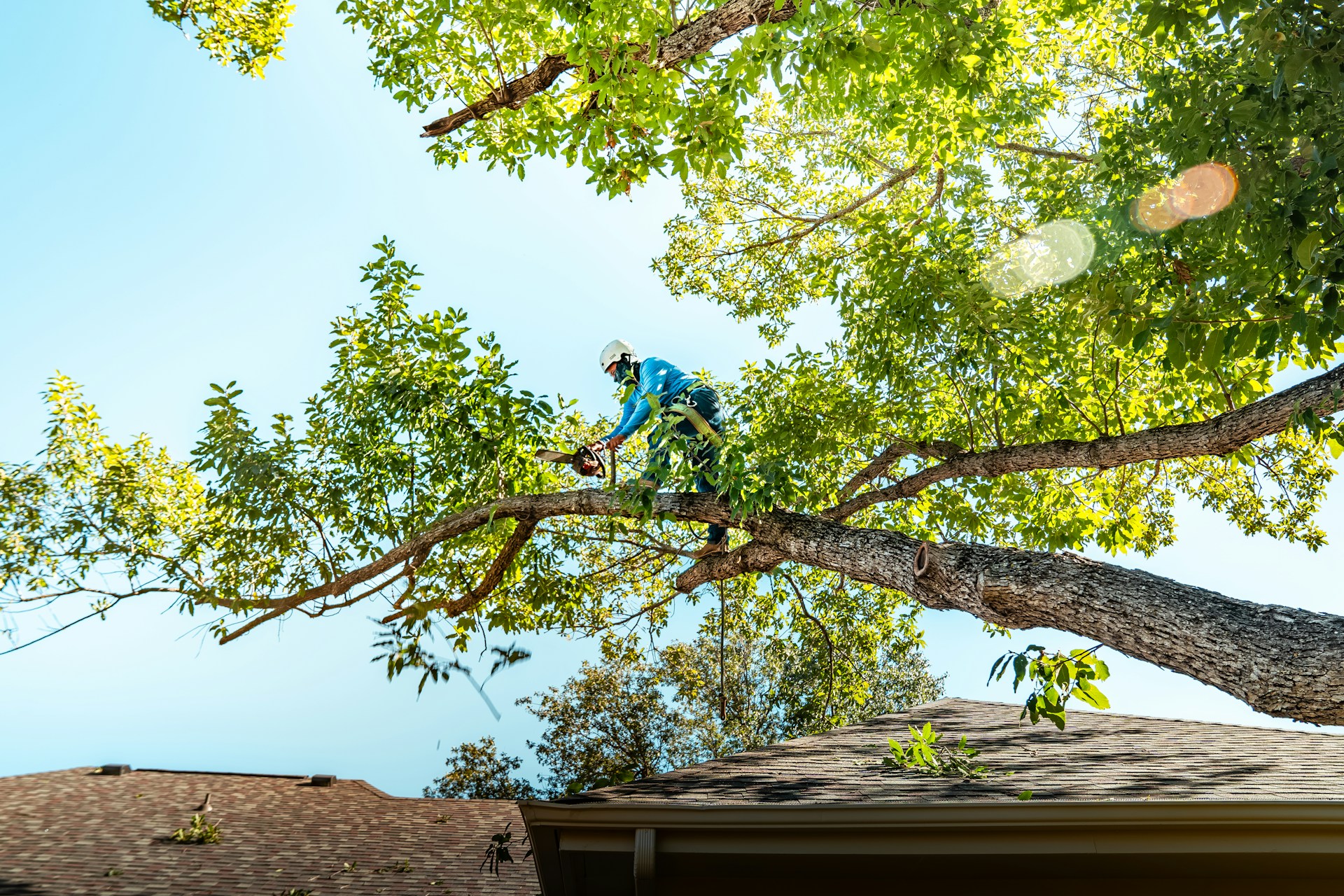
Get Ahead of Winter Storms with Smart Tree Planning
Planning tree work before winter is one of the simplest ways to protect your property in Buffalo. When we get those early heavy snows, weak trees and branches are often the first things to fail, and they rarely fall in a good spot.
September is a smart time to look at tree removal and pruning. The ground is usually firm enough for our equipment, the leaves are still on for easier assessment, and there is still time to get work done before lake-effect snow starts stacking up. Heavy, wet snow and strong wind can snap limbs, twist trunks, and bring down whole trees across roofs, cars, and driveways.
When you plan tree removal in Buffalo, NY ahead of winter, you are thinking long term. You are not just reacting to an emergency in the middle of a storm, you are taking care of your property so it holds up better through every season.
How Buffalo Weather Puts Stress on Your Trees
Western New York weather is tough on trees. It is not just one big storm that causes trouble; it is the way our seasons keep shifting back and forth.
Common stress points include:
- Heavy lake-effect snow piling up on branches
- Freeze and thaw cycles that open cracks in bark and roots
- Strong wind gusts that twist weakened trunks
- Wet, saturated spring soil that loosens roots
Past weather can weaken a tree long before winter. Ice build-up, long spring rains, and summer dry spells all put stress on wood and roots. A tree may look fine from the curb, but inside it can be decaying or hollow.
Some trees are at higher risk than others:
- Older trees that have not been pruned for years
- Shallow-rooted species that do not grip the soil well
- Trees planted too close to houses, garages, or parking lots
- Trees squeezed into narrow strips between driveways and sidewalks
When snow and wind show up, those weak points become clear. Branches snap, roots lift, or the entire tree leans farther than it should.
Signs a Tree May Need Removal Before Winter
You do not need to be an expert to spot basic warning signs. A slow walk around your yard or commercial property can tell you a lot.
Watch for obvious problems like:
- Dead or hanging branches stuck in the canopy
- Large cracks or splits in the trunk
- Hollow, soft, or punky wood when you tap the trunk
- Peeling or missing bark that exposes bare wood
- Mushrooms or fungus growing around the base or roots
There are also structural red flags that matter just as much:
- A tree leaning more than it used to, especially toward a building
- Soil heaving or lifting on one side of the trunk
- Major limbs stretching over roofs, parking spaces, or walkways
- Limbs close to or touching overhead lines
If any of these signs show up on a large tree, or on multiple trees, it is not something to handle alone. Tree removal, especially at height or near structures, can be dangerous without the right equipment and training. On bigger residential lots and commercial sites, a professional assessment from a local crew is the safest way to understand the real risk.
Choosing Between Pruning, Bracing, or Full Removal
Not every problem tree needs to come down. Sometimes good pruning, or support work like cabling and bracing, can lower the risk and keep a healthy tree in place.
A proper site visit helps sort this out. When we walk a property, we usually look at:
- Overall health of the tree, including leaves and new growth
- Species and how it handles Western New York winters
- Location relative to buildings, cars, play areas, and walkways
- Existing damage from storms, plows, or construction
- How the tree might behave under heavy snow and wind
In some cases, careful pruning to remove weak or crossing limbs is enough. In others, support cables can help reduce the chance of a main limb splitting. But if decay is deep in the trunk, roots are failing, or the tree is too close to a structure, full removal may be the safest option.
The goal is balance. You want to protect roofs, parking areas, and sidewalks while keeping healthy trees that add shade and curb appeal. A good plan focuses on safety first, then looks at how to keep as much healthy growth as possible.
Planning Tree Removal in Buffalo, NY Before Snow
Timing matters. If you wait until the first winter storm warning, crews are usually tied up with emergency calls.
A simple fall timeline can look like this:
- Early fall: Walk your property and note any problem trees
- Next step: Have a professional evaluation for risk and options
- Following weeks: Schedule pruning or removal before regular snow
- After work: Take care of stump grinding and debris clearing while the ground is still workable
Local crews also need to plan access. That means thinking about:
- How to get trucks and equipment close without tearing up lawns
- Safe drop zones for branches and trunk sections
- How and where wood and brush will be chipped or hauled
- Keeping driveways and entries open for daily use
When this work is planned early, your property is in better shape for winter. There is less chance of blocked driveways during storms, and it helps snow plowing and walkway clearing go smoother because dangerous limbs and failing trees are already taken care of.
Protecting Your Property All Year, Not Just in Winter
Tree removal and pruning fit into a bigger picture of year-round property care. In Western New York, a healthy yard is about more than mowing or pulling weeds. Everything on the site works together.
A long-term plan might include:
- Tree care alongside regular lawn maintenance
- Drainage work to keep roots from sitting in water
- Hardscaping like patios and walkways that stand up to freeze and thaw
- Snow removal that protects turf, beds, and trees from plow damage
Ongoing visits help spot tree issues early, long before they are an emergency. Small problems like minor dieback or a slight lean can be watched, then handled in safer weather. This also makes it easier to spread work over the year, so you are not dealing with a pile of jobs all at once.
When you work with a local contractor that understands Buffalo and Western New York weather, you get consistent care instead of one-time fixes. Your property is better prepared for high wind, heavy snow, and everything in between.
Take the Next Step Before the First Lake-Effect Snow
The best first step is simple. Walk your property with a notepad or your phone and write down any tree that makes you uneasy. Look at those over roofs, cars, play areas, entrances, and parking lots.
Once you have that list, our team can help decide what really needs attention before winter, and what can wait. That kind of planning leads to safer buildings and walkways, fewer storm surprises, and a property that is ready for whatever Western New York weather brings.
Get Started With Your Project Today
If you are ready to make your property safer and look its best in every season, our team is here to help. From expert tree removal in Buffalo, NY to reliable seasonal services, Reinhart Landscaping can handle the work so you do not have to. Tell us about your goals, and we will provide a clear plan, honest recommendations, and a convenient schedule. Reach out today through our contact page to get your project underway.