
Smart Turf Maintenance for Buffalo, NY Sports and Play Fields
Smart Turf That Plays Well All Season Long Sports fields and play areas work a lot harder than a regular backyard lawn. Kids are sprinting, cleats are cutting, and equipment is moving across the same spots over and over. In Buffalo, NY, that wear and tear is stacked on top of heavy weather, so turf…
July 15, 2026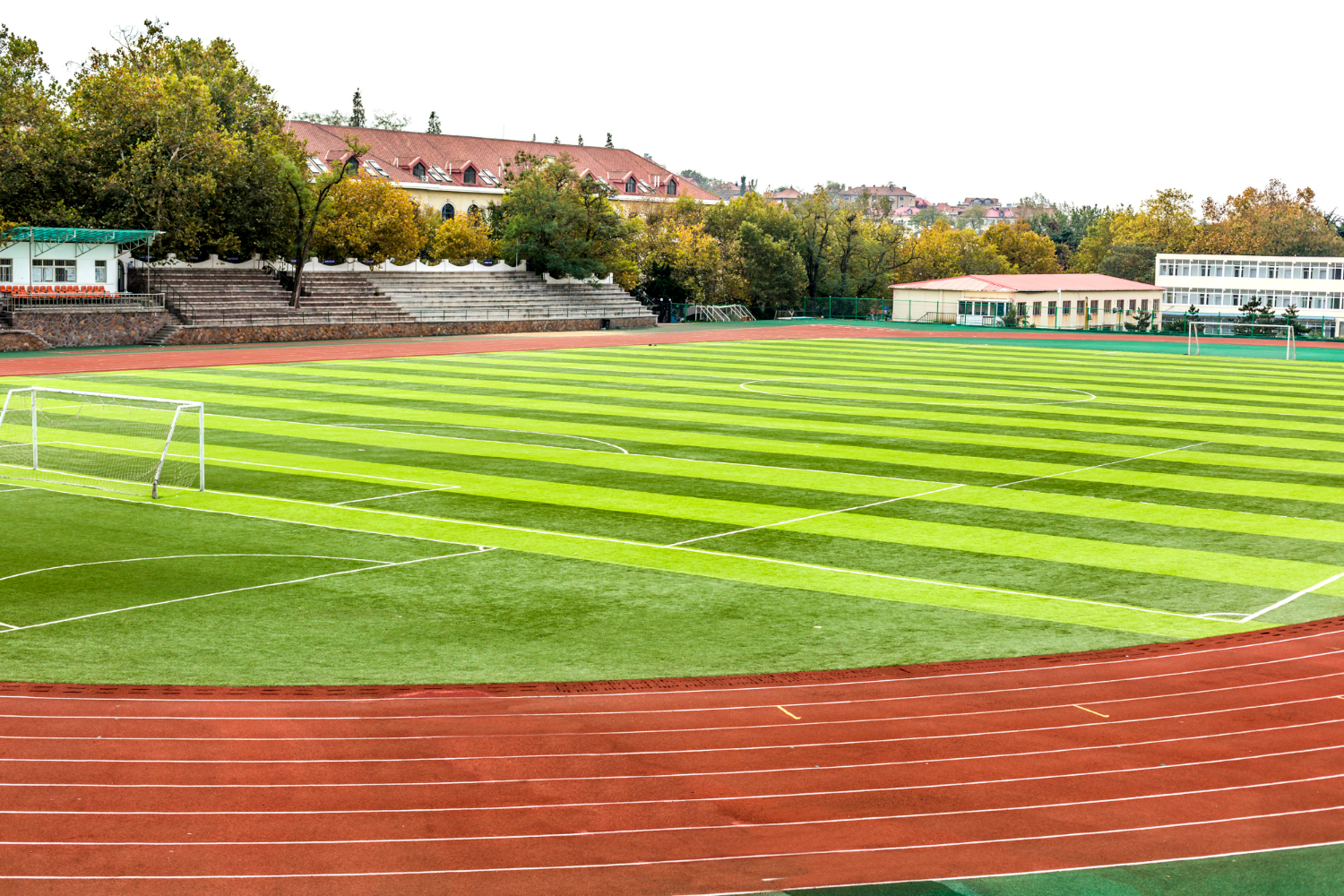
Smart Turf That Plays Well All Season Long
Sports fields and play areas work a lot harder than a regular backyard lawn. Kids are sprinting, cleats are cutting, and equipment is moving across the same spots over and over. In Buffalo, NY, that wear and tear is stacked on top of heavy weather, so turf takes a real beating if it is not cared for the right way.
Western New York fields deal with lake-effect snow, long freeze-thaw cycles, and wet, sloppy springs. All of that pushes turf and soil to their limits. Smart turf maintenance in Buffalo, NY, is about planning ahead so fields are ready before the season starts, not just reacting when bare spots and mud show up.
With a steady plan, fields stay safer, drier, and open more days of the year. That means fewer canceled practices, fewer ruts and holes, and better use of every dollar put into the property. Schools, leagues, towns, and facilities all get more value when turf is treated like the playing surface it is, not just a patch of grass.
What Buffalo Weather Really Does to Your Turf
Our winters are long, and that blanket of snow is not as gentle as it looks. Months of snow cover keep turf cold and wet. Roots can weaken and shallow out, and when all that snow finally melts, the ground underneath is often compacted and slow to drain.
Spring thaw and heavy rains then turn low areas into soft, muddy spots. On sports and play fields, that shows up as:
- Divots where players stop and start
- Ruts from maintenance vehicles and equipment
- Puddles that linger in goal mouths and along sidelines
- Slippery patches around playgrounds and walkways
Summer brings the flip side. Heat waves and dry spells can thin grass, especially in high-traffic areas like goal mouths, base paths, center field, and main walking routes to playgrounds. Thin turf means more dust, more weeds, and less cushion underfoot.
Fall is the big recovery window in Western New York. Temperatures cool down, soil is still warm, and grass wants to grow. Work done in this season, like aeration, overseeding, and repairs, sets the stage for a healthier spring.
Building a Smart Seasonal Turf Plan
Instead of guessing what to do each month, it helps to follow a simple yearly rhythm. A smart turf maintenance plan in Buffalo, NY, often includes:
- Early spring: Field inspection, debris cleanup, checking drainage, and damage from plows and piles
- Late spring: Fertilization, overseeding, and early weed control where needed
- Summer: Consistent mowing, irrigation checks, touch-up seeding, and watching wear patterns
- Fall: Core aeration, heavier overseeding, topdressing, and repairs to high-use zones
The key is consistency. When fields are checked on a schedule, small problems are caught before they turn into safety issues. A thin spot can be seeded before it becomes bare dirt, a soft corner can be fixed before a rut forms, and a small drainage issue can be handled before it becomes a standing puddle.
Maintenance also needs to match how the field is used:
- Game fields may need tighter mowing schedules and more frequent aeration and overseeding
- Practice fields can run on a slightly lighter schedule, but still need steady care
- School play areas and park turf benefit from regular checks and basic treatments so they stay safe for kids
Thinking in terms of multiple seasons, not just one, keeps fields steadily improving. A multi-year plan often reduces surprise repairs and helps the turf hold up to heavy use over time.
Core Turf Practices That Keep Fields Safe and Playable
There are a few core practices that make the biggest difference on sports and play fields.
Aeration is one of the most important. Cleats, carts, and foot traffic press soil tight, which blocks air and water from reaching roots. Core aeration pulls plugs from the ground, helping:
- Relieve compaction from players and equipment
- Improve drainage in heavy, wet soils
- Encourage deeper root growth
- Open paths for seed and nutrients
Overseeding and topdressing help thicken the turf and repair worn spots. Overseeding keeps fresh grass coming in as older plants wear down. Topdressing with a thin layer of soil or sand mix helps protect crowns of the plants and smooths out minor low spots.
Mowing also matters. For sports and play turf, good habits include:
- Keeping a consistent mowing height for the sport or use
- Sharpening blades so they cut, not tear, the grass
- Never cutting off more than one-third of the blade in one mowing
Balanced fertilization and targeted weed control keep turf dense, which is the best defense against weeds and erosion. The goal is a tough, healthy grass plant, not a field loaded with products.
Drainage, Safety, and Day-to-Day Field Use
Poor drainage is one of the fastest ways to ruin a field. Standing water creates mud, soft areas, and ruts, all of which can lead to slips and twisted ankles. When water sits, turf roots also suffer, and grass thins or dies out.
Some helpful drainage steps can include:
- Adjusting grading so water moves off the surface, not toward the middle
- Adding slit drainage in stubborn wet areas
- Improving soil with sand or organic amendments where appropriate
Day-to-day use also plays a big role. How people move across the field matters. Simple changes can spread out wear:
- Rotating practice areas or moving drills away from the same lines
- Shifting soccer goals and lacrosse creases regularly
- Adjusting baseball or softball practice stations to share the load
Regular inspections are just as important as any product. A quick walk before practices and games can catch:
- Holes or depressions
- Uneven seams where turf meets walkways
- Exposed roots or rocks
- Loose edges around infields, goal mouths, or playground borders
Fixing these small issues quickly keeps players safer and protects the field.
Smart Turf Maintenance in Buffalo, NY for Every Property Type
Not every field is a full-sized stadium, but the same turf principles apply across property types in Western New York. That includes:
- School sports fields for soccer, football, baseball, and physical education
- Municipal parks and open play areas
- Daycare yards and playground zones
- Church grounds with open fields or small play spaces
- Private athletic facilities and shared HOA play fields
What changes is the intensity and frequency. A high-use school game field might need several aerations a year and regular overseeding, while a small neighborhood park might only need those tasks once in a while, plus steady mowing and inspections.
Commercial properties and HOAs often benefit from clear, scheduled maintenance so everyone knows the fields are being cared for. Documented visits, planned seasonal work, and regular site walks help keep shared areas open, clean, and presentable.
In our area, winter planning should also be part of the turf program. Snow removal routes, where snow piles are placed, and how de-icing materials are used can all affect turf edges and corners. Planning these details ahead of time helps reduce winter damage and spring surprises.
Planning Your Next Season Before This One Ends
The best time to plan for next year’s turf is often late summer into early fall, while the season is still fresh in mind. A simple walk across each field can tell you a lot. Look for worn goal mouths, hard-packed middle sections, wet corners, or thinned-out sidelines.
It helps to keep a basic field log that notes:
- Dates of tournaments, events, and heavy use
- Major storms or long wet spells
- Spots that stayed wet or bare longer than others
- Any repairs that were made during the season
When those notes are paired with a field walkthrough, the next year’s maintenance plan can be based on what actually happened on that field, not a generic schedule. That is where working with an experienced local contractor makes a difference, because they can time aeration, overseeding, fall recovery work, and even snow-season planning around Western New York weather patterns and the way your fields are really used. Reinhart Landscaping focuses on that kind of long-term, reliable care so sports and play turf in our area can handle the seasons and stay ready for play.
Get Started With Your Project Today
If you are ready for a healthier, greener lawn, our team is here to help with comprehensive turf maintenance in Buffalo, NY. At Reinhart Landscaping, we tailor every plan to your property so you get reliable results season after season. Reach out today to discuss your goals, schedule a visit, or request an estimate through our contact page.